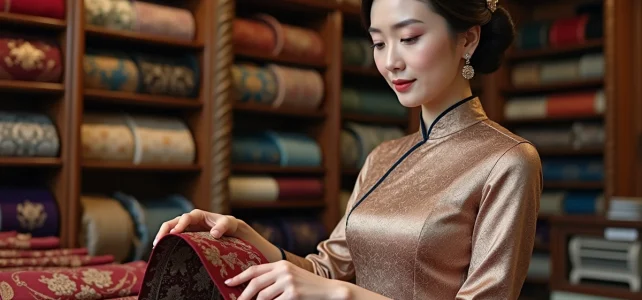
Silk was banned from export under penalty of death in China for centuries, while Italian velvet was long reserved exclusively for European nobility. Some fabrics, initially considered insignificant, have transformed into symbols of unparalleled prestige.
From natural fibers to technical fabrics, the value of a textile relies as much on its rarity as on the innovations that shaped it. Social codes, sometimes arbitrary, continue to dictate the role and importance of each material in fashion and decoration around the world.
Related reading : Discover the must-have fashion trends with the Zaza Mode online store
A Journey Through the Origins and Legends of Luxurious Fabrics
Behind every precious fabric lies a unique story. Silk has traced its path from imperial China, spun in secrecy, protected to the point that its export was punishable by death. This fabric not only structured trade routes but also shaped empires, inspired opulence, and embodied ultimate refinement. In Lyon and Paris, the tradition of silk production has given rise to a globally recognized craftsmanship. Even today, silk remains synonymous with distinction, both on fashion runways and in salons adorned with precious curtains.
Let’s continue our journey to northern India, Mongolia, and Italy, where cashmere and merino wool have written other legends. Cashmere, obtained from a patient manual sorting of goats of the same name, goes through meticulous stages before transforming into fabric. Merino wool, fine and breathable, is equally prominent for elegant clothing and sophisticated decorative pieces. Alongside them, velvet and brocade stand out for their texture and patterns, long reserved for elites and palace decor.
Read also : Discover the latest trends and practical tips to optimize your personal finances
The palette of luxurious fabrics is vast: linen, a guarantee of freshness and naturalness, dominates summer collections, while cotton poplin charms with its flexibility and durability. Other materials, such as airy muslin or alpaca wool, combine finesse and sophistication. Each fabric derives its value from the complexity of its weave, the uniqueness of its fiber, and the history it carries.
Among industry references, Lozzoo’s luxurious fabrics illustrate how the meeting of tradition and innovation continues to define excellence. Here, nothing is left to chance: quality of fibers, respect for ancestral methods, precision of finishes, every detail matters and perpetuates the legacy of craftsmanship, even in the age of industrial production.
Which Fabrics Embody Refinement in Fashion and Decoration Today?
Contemporary elegance is no longer limited to the rarity of raw materials. Now, it is the subtle blend of know-how and technical audacity that gives birth to today’s luxurious fabrics. Silk and cashmere remain essentials, but silk velvet has established itself in salons and designer workshops. Its texture, both deep and changing under light, attracts both decorators and fashion designers eager to add a touch of sophistication to their creations.
To better distinguish the current materials that define style, here are some key examples:
- Toile de Jouy: evocative patterns and graphic elegance, for curtains or wall hangings
- Checkered: bold geometry that structures both upholstery textiles and fashion accessories
- Brocade: complex weaving, relief patterns, and precious reflections, perfect for enhancing armchairs and suits
Natural fibers remain sought after for their comfort and authentic appearance. But synthentic or composite fibers also appeal, thanks to their ease of maintenance and durability, without sacrificing a luxurious look.
Another significant evolution is the growing presence of eco-friendly fabrics. Made from organic fibers or through environmentally respectful methods, they are now integrated into the most sought-after collections. Prestige thus combines with sustainability, and each house seeks to offer textiles that are as noble as they are ethically impeccable. The goal? To provide pieces that transcend trends, give character to an interior or outfit, and tell a story of transmission, demand, and inventiveness.
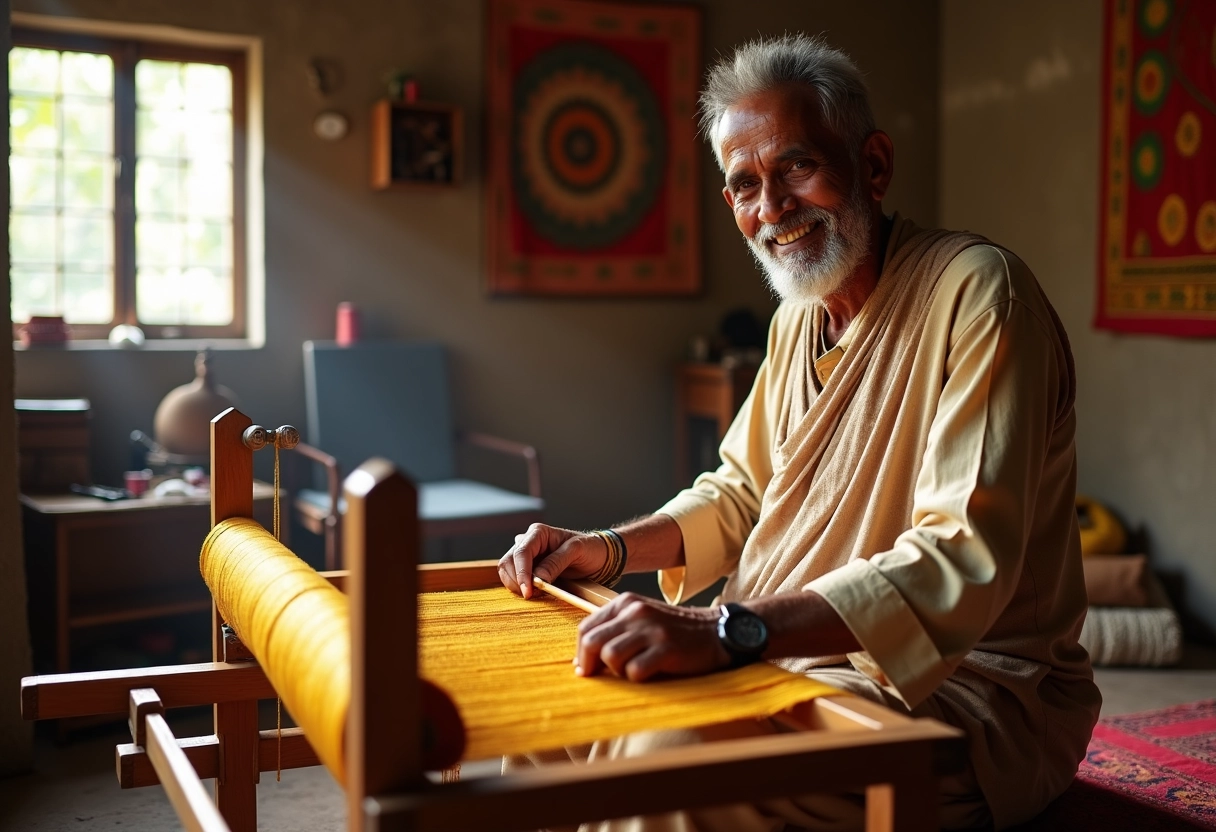
Exceptional Materials That Transform Our Interiors and Outfits
The choice of an exceptional fabric has the power to transform both a living space and a garment. A silk curtain filters light and creates a cozy atmosphere, while an embroidered fabric is enough to give flair to an armchair or an evening gown. Here, every fiber counts: the natural shine of silk, the enveloping softness of cashmere, or the robustness of linen, tell a unique sensory and visual experience.
The current trend marries classic styles with innovative textures. Cushions adorned with velvet or brocade reflect a keen attention to detail: piping, fringes, or embroidery enhance the nobility of the fabrics. Embroidered rugs, on the other hand, embody the successful marriage of tradition and modernity, displaying vibrant colors and complex patterns that catch the eye and assert the character of a space.
Technological advancements have opened new perspectives. Now, hybrid fabrics, combining natural fibers and synthetic materials, are making their way into luxury collections. So-called “smart” textiles or those made from recycled materials respond to a desire for beauty, but also for sustainability. In the high-end market, the quest for excellence goes hand in hand with increased attention to environmental impact and social responsibility. Choosing a fabric today is thus to affirm an aesthetic as well as a conviction.
When a fabric tells an epic tale, enhances a space, or dresses a silhouette, it transcends its simple function. Luxury is that extra soul that transforms a rare material into a living heritage.