
The recycling of plastic remains ineffective in more than 60% of cases in France, despite widespread sorting for over twenty years. However, some lesser-known individual practices significantly reduce daily environmental footprints. Limiting domestic energy consumption or opting for reusable alternatives creates an immediate, measurable, and lasting impact. A few precise adjustments in routine can initiate change without disrupting habits.
Why daily eco-responsibility truly makes a difference
Taking action is anything but trivial. Even without major upheaval, every decision throughout the day leaves a footprint: products purchased, energy consumed, mode of transport chosen. Far from being a matter for purists, it is these details that, when accumulated, lighten or, conversely, weigh down the burden of the collective climate balance.
Leaving equipment on standby, heating excessively, or multiplying energy-hungry devices directly feeds the CO2 machine. We don’t see it, but it heats up. And this is not a metaphor: the climate is suffering from these gestures repeated a thousand times, and the consequences escalate quickly, from a simple household to the entire globe.
Fortunately, there are effective, very concrete levers to reverse the trend. Changing the way we consume water, opting for minimally processed products, or prioritizing soft mobility is not a myth. For example, reducing meat consumption or avoiding foods linked to deforestation, particularly palm oil, cuts short some environmental disruptions. Transport, meanwhile, accumulates the highest emissions; shifting (even in small doses) to biking, carpooling, or shared transport genuinely makes a positive difference.
When these reflexes are passed on to the next generation, through school or associative action, the dynamic takes on a new dimension. This is evident during Earth Day: the sum of isolated actions propels a visible transformation. To learn more about Eco Echo, the special report details these new behaviors that are emerging strongly, quarter after quarter.
What simple actions can be adopted to reduce environmental impact?
Moving towards a more responsible life does not mean rewriting daily life from top to bottom. Several targeted adjustments are already enough to change the game for the planet.
Here are concrete suggestions to easily integrate, according to the major spheres of daily life:
- For domestic energy, turn off devices, avoid standby mode, lower the heating, install LED bulbs. Choosing a green electricity supplier directly reduces your household’s emissions.
- Regarding water, shortening shower time, quickly tracking and repairing leaks, equipping with flow limiters, and thinking about rainwater harvesting offer tangible savings while protecting the resource.
- Waste management can significantly evolve with bulk buying, reusable containers, and composting. Extending the life of objects, repairing, and opting for second-hand items also helps curb raw material waste.
- On the plate, prioritizing local and seasonal products, reducing meat and dairy consumption, steers diets towards less polluting agricultural models and halts part of the deforestation linked to industrial livestock farming.
- In terms of transport, walking, biking, or using shared transport (carpooling, public transport) effectively replaces individual car trips, thus reducing greenhouse gas emissions.
- Finally, in the digital realm, clearing out your inbox, avoiding excessive streaming videos, and repairing electronic devices instead of hastily replacing them extend their usage life and limit hidden digital pollution.
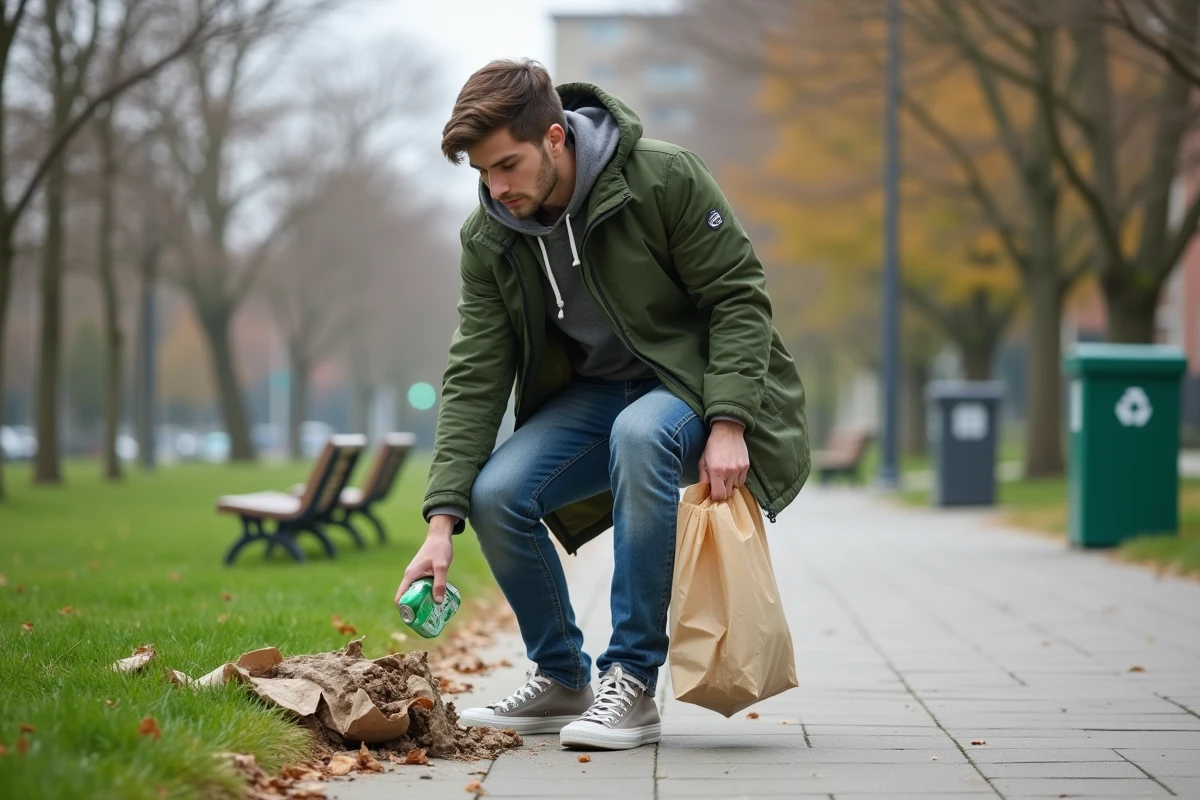
Concrete tips to integrate eco-responsibility into every moment of the day
At every moment, there are easy gestures to implement to move in the right direction without disrupting your schedule.
- In the morning, prioritize a quick shower, install an aerator on the faucet to reduce flow, and adjust the temperature. Equipping yourself with a reusable water bottle or a filtered carafe eliminates the need for disposable plastic bottles effortlessly.
- At breakfast, give priority to local and seasonal products, buying directly from local producers. A French press instead of disposable pods, and a quick check to ensure everything is turned off before leaving.
- During commutes, walk or choose a bike, scooter, or train. Shopping with durable bags, selecting bulk items, avoiding excessive packaging, and opting for second-hand whenever possible, whether for the home, clothing, or tools.
- Once at home, separate waste, set up a composter for kitchen scraps, and repair whenever possible before considering a new purchase. For your wardrobe, focus on quality, thrift stores, or young committed brands.
- In the digital space, regularly purge your emails, limit streaming video, and turn off all inactive devices daily: digital sobriety takes shape through the repetition of small gestures.
Stacked together, these reflexes weave a discreet yet effective shield against environmental drift. Eco-responsibility settles into daily gestures quietly, carried by the consistency of those who choose to act rather than ignore. It is precisely these seemingly trivial changes that will ultimately leave their mark on the planet and on how we will inhabit it tomorrow.