
A raw figure: every year, hundreds of students enter dental studies without ever having set foot in a medical amphitheater. The traditional path is no longer exclusive, and alternative routes are gaining ground.
Why the classic path through medicine is no longer the only option to become a dentist
Dental studies have long been synonymous with a unique pathway: the common first year of health studies, now gone in favor of the PASS or LAS. But the game has changed. Universities are expanding access to dental surgeon training, driven by the desire to attract diverse profiles, meet field needs, and open their discipline to students from other academic backgrounds.
Recommended read : Everything You Need to Know About the Price and Quote for a Fitted Kitchen: Criteria and Tips
The classic curriculum has long been seen as a highway, but now secondary paths are multiplying. Several dental faculties across France offer parallel admissions. These pathways target students with a general scientific baccalaureate or those engaged in a scientific degree, allowing direct access to the second or third year, provided they meet specific criteria. Validation of prior learning, dedicated exams, or recognition of well-defined professional experience: all these doors are opening.
The division into cycles remains unchanged: first cycle, second cycle, then third cycle, each marked by essential milestones (DFGSO, DFASO, DE). The entrance exam remains a major step for most, but alternatives are gradually emerging from the shadows. To explore in detail how to become a dentist without going through medicine, the dedicated page from Apprendissimo provides a comprehensive overview of the paths to consider.
Read also : The best alternatives to watch movies streaming for free in 2024
This underlying movement, which reshuffles the cards of access pathways, places France in the wake of its European neighbors: barriers are falling, profiles are enriching, and the sector is adapting to the challenges of tomorrow.
What concrete alternatives exist to access dental studies without going through medicine?
Dental studies are no longer limited to a single corridor. Several alternatives are now available for those who want to become a dentist without going through medicine. Universities in France and beyond are multiplying opportunities tailored to diverse profiles.
For those who wish to stay in France, there are specific integration pathways. Some dental faculties in Paris Cité, Lyon 1, Bordeaux, or Marseille have established parallel admissions. These programs mainly target students holding a scientific degree or those who have gone through a LAS (Health Access License). By taking these paths, it is possible to avoid the PASS, while following a recognized, rigorous training program supervised by the university.
The BTS dental prosthetics also represents an option to immerse oneself in the dental world. This technical training, focused on dental prosthetics, can, in some cases, open the way for validation of prior learning to subsequently integrate into the dental curriculum. This pathway remains selective, but it exists.
To broaden the range of possibilities, here are the main alternatives available to candidates:
- Parallel admission after a scientific or paramedical degree (biology, chemistry, life sciences…)
- Entry through the LAS in certain universities, allowing application to dentistry based on a file and interview
- Integration after a BTS dental prosthetics, subject to validation of prior learning and acceptance of the application
- Enrollment in a foreign university (Spain, Romania, Belgium…), with a diploma recognized in the European Union and the possibility of returning to France after equivalence
- Training and experience as a dental assistant, which can open up career advancement opportunities within a practice, even if this pathway does not directly lead to the title of dental surgeon
More and more students are choosing international mobility. Spanish, Romanian, and Belgian universities, in particular, welcome hundreds of French students each year. These programs, accredited at the European level, allow for returning to practice in France after a process of equivalence and skills verification. This is a concrete reality: the recognition of diplomas in the European space facilitates the movement of healthcare professionals.
The landscape of access to dental studies is transforming, combining mobility, equivalence, and diversity of academic profiles. The unique model is a thing of the past; now, multiple trajectories take center stage.
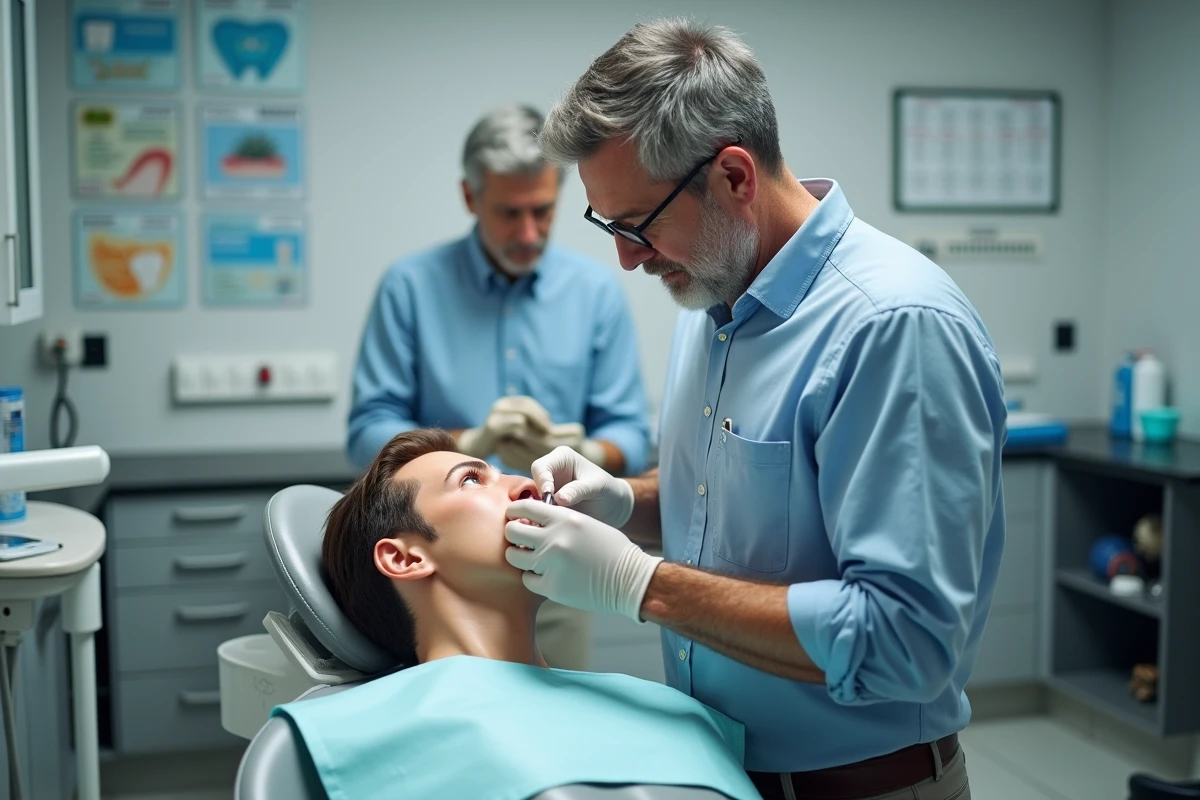
Overview of career opportunities and requirements for success in the dental profession
The pathway to becoming a dental surgeon is structured into three cycles, each with its specificities and requirements. The first cycle, which lasts two to three years, leads to the DFGSO (diploma of general training in dental sciences). It emphasizes scientific foundations and initiation to practice, with periods of internships in dental offices and hospitals.
Next comes the second cycle, two years dedicated to deepening knowledge and clinical skills. At this stage, students earn the DFASO (diploma of advanced training in dental sciences), after completing required hospital internships and developing a solid mastery of diagnostics and technical procedures.
The third cycle offers two possibilities: a short one-year cycle to obtain the state diploma of doctor in dental surgery, or a long cycle of three to four years, reserved for those who choose to specialize through a DES (diploma of specialized studies) in orthodontics, oral surgery, or oral and dental medicine. The internship then completes the training, extending learning up to nine years for future specialists.
Career opportunities are numerous and varied. A dentist can work in private practice, join a hospital team, engage in research, teach at the university, or pursue an international career.
To succeed in this profession, much more is needed than just technical skills. Rigor, endurance, empathy, organization, and true stress resistance are essential. The daily life of a practitioner oscillates between complex clinical situations, emotional management, and human relationships. It is a balance to be found, day after day, to support patients and thrive in a profession that is constantly evolving.
Nothing is set in stone: the journey to becoming a dentist is being reinvented, ambitions are expanding, and the sector is now welcoming profiles that were unexpected yesterday. It is up to each individual to carve their own path, dare to take detours, and seize the opportunities that arise, here or elsewhere.