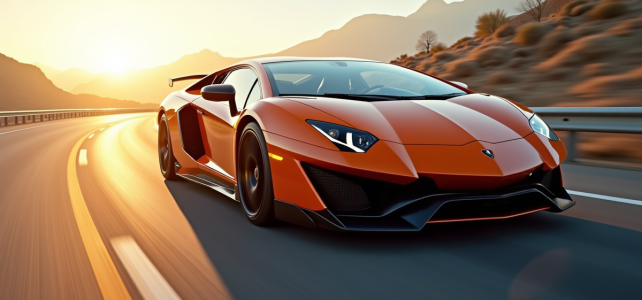
Claiming that a 300-horsepower car consistently leaves a 200-horsepower model far behind is more legend than reality. Electric motors, on the other hand, do not wait: maximum torque is available from the very first press of the pedal, while internal combustion engines reserve their peak for specific RPM ranges. As for power calculation methods, they do not all speak the same language depending on the countries: beware of hasty comparisons between models from different backgrounds.
The ambiguity persists around torque and power, even among seasoned drivers. Yet, understanding these subtleties gives you the means to choose a vehicle that fits your needs and to get the most out of every journey.
What really happens under the hood: understanding the engine and its secrets
The silence of the cabin masks a feverish activity under the hood. At work, the engine converts the energy from fuel or electricity into motion, tirelessly orchestrating a ballet between power and engine torque. Two concepts, often confused, that shape the character of each car: the ability to deliver force at low RPM and the capacity to maintain speed at high RPM.
Torque is the raw force that propels the vehicle as soon as you touch the accelerator. Expressed in newton-meters, it determines how easily the car can pull away from a stop, climb a hill, or accelerate out of a turn. Engine power, measured in horsepower, reflects the ability to maintain a high speed over time. It depends on the engine speed, this internal rotational cadence expressed in revolutions per minute.
Take a TSI engine: it releases its maximum torque at modest RPMs, offering valuable flexibility and responsiveness, whether in traffic or on a national road. In contrast, some atmospheric engines reserve their temperament for high RPMs, requiring you to seek energy further afield.
To grasp the link between power and speed, numbers alone are not enough. A concrete example: 90 horsepower in km/h shows that the displayed power never solely determines the maximum speed. Weight, body shape, transmission: each parameter weighs in the balance. Mechanics leave no room for improvisation, and every element contributes to shaping the on-road experience.

Torque, power, and speed: how these concepts influence your driving experience
Behind the wheel, every variation in torque or power is felt. But beyond the sensations, this data directly impacts driving, comfort, safety, and even budget. On French roads, the maximum speed limit sets the framework, particularly for the young driver who must navigate specific restrictions during the probationary period. For them, the road code regulations impose less powerful vehicles. This choice affects the car insurance premium and also meets insurers’ expectations.
With experience, the perception of the road evolves. A generous torque at low RPM simplifies daily life in the city or during hard starts; high power reveals itself mainly on major roads or during overtaking. For novice drivers, understanding these concepts helps enhance road safety. During road safety awareness courses, the emphasis is placed on caution and anticipation, reminding that fuel consumption and the cost of car insurance also depend on driving style.
Three elements concretely structure the driving experience and regulatory obligations:
- The maximum speed of a vehicle results from a balance between the delivered power and the total weight carried.
- French and European speed limits require constant adaptation, made even stricter for young drivers.
- Car insurance for young drivers often costs more, especially if the vehicle has a high torque or power.
Under the hood, every detail counts: understanding these concepts transforms the road into conquered territory and makes every journey a controlled experience.